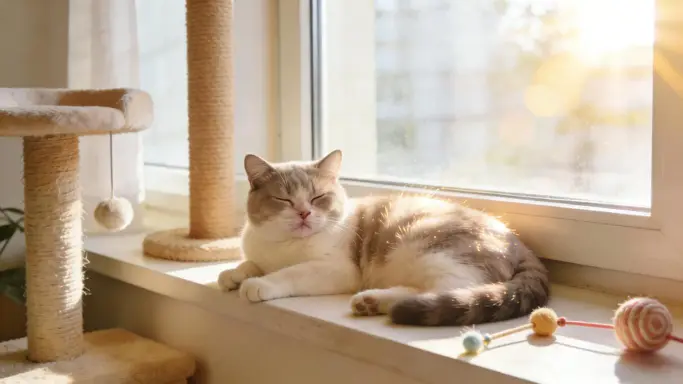

For many urban dwellers, the desire to welcome a feline companion into their home is often tempered by concerns about limited space. Apartments, with their compact layouts and shared environments, present unique challenges for cat care—but not all cats struggle with these constraints. The right cat breed can thrive in a small living space, bringing joy, companionship, and warmth without feeling cramped or restless. Unlike cats that crave wide-open spaces to roam, apartment-friendly breeds are adaptable, low-key, or easily entertained, making them ideal for city living. This guide will help you navigate the best breeds for apartment life, along with tips to ensure your cat’s well-being and FAQs to address common concerns.
Key Traits of Apartment-Suitable Cats
When choosing a cat for your apartment, it’s important to prioritize breeds with traits that align with small-space living. These key characteristics will help ensure harmony between you and your pet:
- Calm Temperament: Cats that are naturally mellow, less hyperactive, and not prone to excessive meowing or pacing handle confined spaces better.
- Low Energy Needs: Breeds that don’t require hours of daily exercise or outdoor exploration—instead, they’re content with short play sessions or lounging.
- Adaptability: Cats that can adjust to noise (such as street sounds, neighbors, or appliances) and limited territory without stress.
- Low Maintenance: While grooming and care needs vary, breeds with manageable coats or independent personalities are easier to care for in smaller spaces.
- Affectionate (but Not Clingy): A cat that enjoys human company but doesn’t demand constant attention is ideal for busy apartment dwellers.
Recommended Cat Breeds for Apartment Life
Not all cat breeds are suited for apartment living, but the following breeds stand out for their ability to thrive in small spaces while remaining loving and engaging companions.
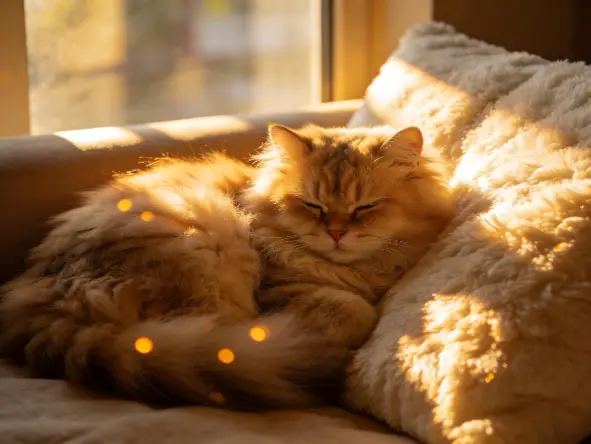
(1)Persian: The Gentle Lounge Lover
Persians are the epitome of calm, making them perfect for apartment living. With their soft, luxurious coats and gentle demeanor, they prefer lounging on couches or sunbathing by windows over running and jumping. They are quiet, affectionate, and form strong bonds with their owners, but they don’t require much activity to stay happy. While their long coats do need regular brushing to prevent matting, their low-energy nature means they won’t feel confined in a small apartment—they’ll simply enjoy the comfort of their cozy space.
(2)British Shorthair: The Independent Companion
Known for their round faces, stocky build, and plush short coats, British Shorthairs are ideal for busy apartment owners. They are independent by nature, able to entertain themselves when left alone for short periods, but they still crave affection and cuddles from their humans. They prefer peaceful environments, so they adapt well to apartment noise and shared spaces. Their low-maintenance coats require minimal grooming, and their calm temperament means they won’t tear through your furniture or demand constant play—making them a perfect fit for small living quarters.
(3)Ragdoll: The Dog-Like Cuddle Bug
Ragdolls are often referred to as “dog-like” cats because of their unwavering affection for humans. They are gentle, easy-going, and love to be held and cuddled, making them great companions for families or individuals who enjoy spending time with their pets. Unlike some high-energy breeds, Ragdolls are content to stay indoors, where they can lounge with their owners or play gently with interactive toys. Their mild nature means they get along well with other pets and children, and they adapt seamlessly to apartment life—they just need your love and a cozy spot to rest.
(4)Russian Blue: The Quiet Intellectual
Russian Blues are sleek, graceful, and highly intelligent cats that thrive in apartments. They are quiet by nature, rarely meowing excessively, and their short, thick coats are easy to maintain (a weekly brush is usually enough). They are loyal to their owners, forming strong bonds, but they are also independent enough to handle alone time. Russian Blues are playful but not hyperactive—they enjoy interactive toys and puzzle feeders that stimulate their minds, making them perfect for small spaces where physical activity is limited. Their clean habits and calm demeanor also make them great for shared apartments.
(5)Scottish Fold: The Adorable Adaptive Playmate
With their unique folded ears and sweet expressions, Scottish Folds are instantly charming—and they’re also great for apartments. They are adaptable, playful, and enjoy interactive toys, but they don’t need a lot of space to run around. They are friendly and get along well with humans and other pets, making them ideal for busy households. Scottish Folds are not overly energetic; instead, they prefer short play sessions followed by cuddling with their owners. Their moderate grooming needs (weekly brushing for their short coats) and calm temperament make them a wonderful choice for small-space living.
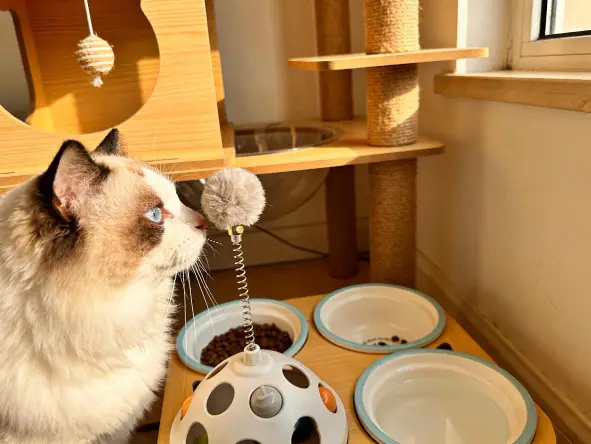
(6)Sphynx: The Social Attention Seeker
While the Sphynx’s hairless appearance makes it unique, it’s their social and playful nature that makes them great for apartments. Contrary to popular belief, Sphynx cats are warm to the touch and crave human attention—they’ll follow you around the apartment, curl up in your lap, and play for hours. They are active but adaptable, able to get their exercise indoors with toys and climbing perches. While they do require regular skincare (to keep their skin moisturized and clean), their affectionate and outgoing personalities make them perfect for apartment dwellers who want a loving, interactive pet.
(7)Burmese: The Energetic Indoor Companion
Burmese cats are highly energetic, but surprisingly well-suited for apartment life—as long as they have plenty of toys and climbing equipment to keep them busy. They are outgoing, social, and love to be around their owners, often following them from room to room. Unlike some high-energy breeds that need outdoor space, Burmese cats are content to play indoors, using vertical spaces (like cat trees) to burn off energy. They are affectionate and loyal, making them great for families or individuals who want an energetic but apartment-friendly cat.
(8)Exotic Shorthair: The Lazy Persian Alternative
Often called the “lazy Persian,” the Exotic Shorthair shares the Persian’s sweet temperament but without the high grooming demands. Their short, dense coats require minimal brushing, making them low-maintenance. They are calm, affectionate, and love to lounge—perfect for apartment living. Exotic Shorthairs are not overly active; they prefer a relaxed indoor environment where they can cuddle with their owners and nap in sunny spots. Their adaptive personality makes them an excellent choice for small-space pet owners who want the charm of a Persian without the hassle of daily grooming.
(9)American Shorthair: The Classic All-Arounder
The American Shorthair is a classic breed that adapts well to almost any living situation—including apartments. They are easy-going, friendly, and have a stable temperament, making them great for single people, couples, or families. American Shorthairs are low-maintenance, with short coats that need minimal grooming, and they don’t demand excessive playtime. They are independent enough to handle alone time but still enjoy affection from their owners. Their versatility and calm nature make them one of the best cat breeds for apartment life.
Essential Tips for Keeping Apartment Cats Happy
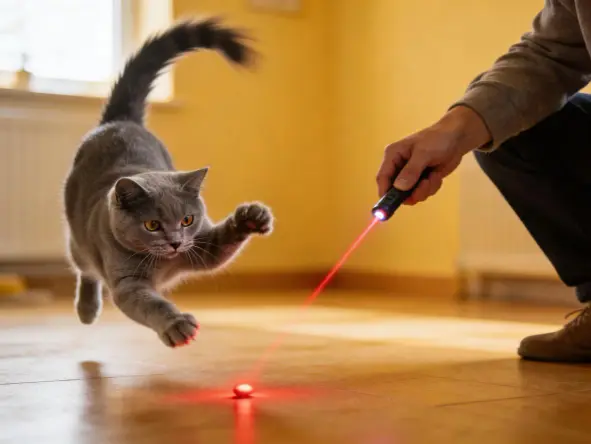
Choosing the right breed is just the first step—keeping your apartment cat happy and healthy requires a few simple adjustments to your space. Here are some essential tips:
- Maximize Vertical Space: Cats love to climb, so install cat trees, wall shelves, or window perches to give them more territory. This helps them feel less confined and provides mental stimulation.
- Provide Interactive Toys: Keep your cat entertained with toys that stimulate their hunting instincts, such as feather wands, puzzle feeders, or laser pointers. Rotate toys regularly to prevent boredom.
- Maintain a Clean Litter Box: Cats are clean animals, so a dirty litter box can cause stress. Place the litter box in a quiet, accessible spot and scoop it daily (change the litter completely once a week).
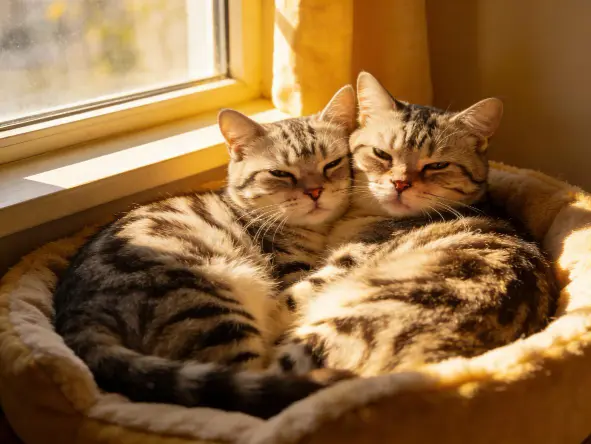
- Create a Sunny Spot: Cats love sunbathing, so place a bed or blanket near a window with natural light. This gives them a cozy place to relax and watch the outdoors.
- Establish a Routine: Cats thrive on routine, so set regular times for feeding, play, and cuddling. This helps them feel secure and reduces anxiety in a small space.
Frequently Asked Questions (FAQs)
Here are answers to some common questions about keeping cats in apartments:
Q1: Can any cat breed live in an apartment, or are only specific breeds suitable?
Any cat can live in an apartment with proper care, but high-energy breeds (e.g., Bengals, Siamese) need more toys and vertical space to burn energy. Low-energy, adaptable breeds (e.g., Persians, British Shorthairs) are easier to care for in small spaces.
Q2: Do apartment cats need to go outside?
No, apartment cats don’t need to go outside. Indoor cats live longer and healthier—just provide sufficient mental and physical stimulation (toys, climbing space, playtime) to keep them happy.
Q3: How do I prevent my apartment cat from getting bored?
Prevent boredom by rotating toys regularly, using puzzle feeders, setting aside 10-15 minutes of daily playtime, and adding vertical space (cat trees, wall shelves) for exploration.
Q4: Are hairless cats (like Sphynx) more difficult to care for in apartments?
Sphynx cats aren’t harder to care for—they just need regular skincare and extra warmth in cold apartments. Their social nature suits small spaces, and they shed less.
Q5: Can I keep multiple cats in an apartment?
Yes, you can keep multiple cats in an apartment. Choose compatible breeds, prepare enough litter boxes (one per cat +1), food/water bowls, and vertical space for peaceful coexistence.
Q6: How often should I groom my apartment cat?
Grooming frequency depends on the breed: short-haired breeds need weekly brushing, long-haired breeds daily brushing, and hairless breeds regular skincare to stay healthy.
Conclusion
Living in an apartment doesn’t mean you have to give up the joy of owning a cat. By choosing a breed with the right temperament, energy level, and adaptability, you can welcome a loving feline companion into your small space. From the calm Persian to the playful Sphynx, each of the breeds highlighted in this guide is well-suited for apartment life, bringing companionship and happiness to your home. Remember to provide plenty of stimulation, vertical space, and love—your cat will thrive, even in the coziest apartment. With the right care and breed choice, your apartment can become a happy, harmonious home for both you and your cat.